
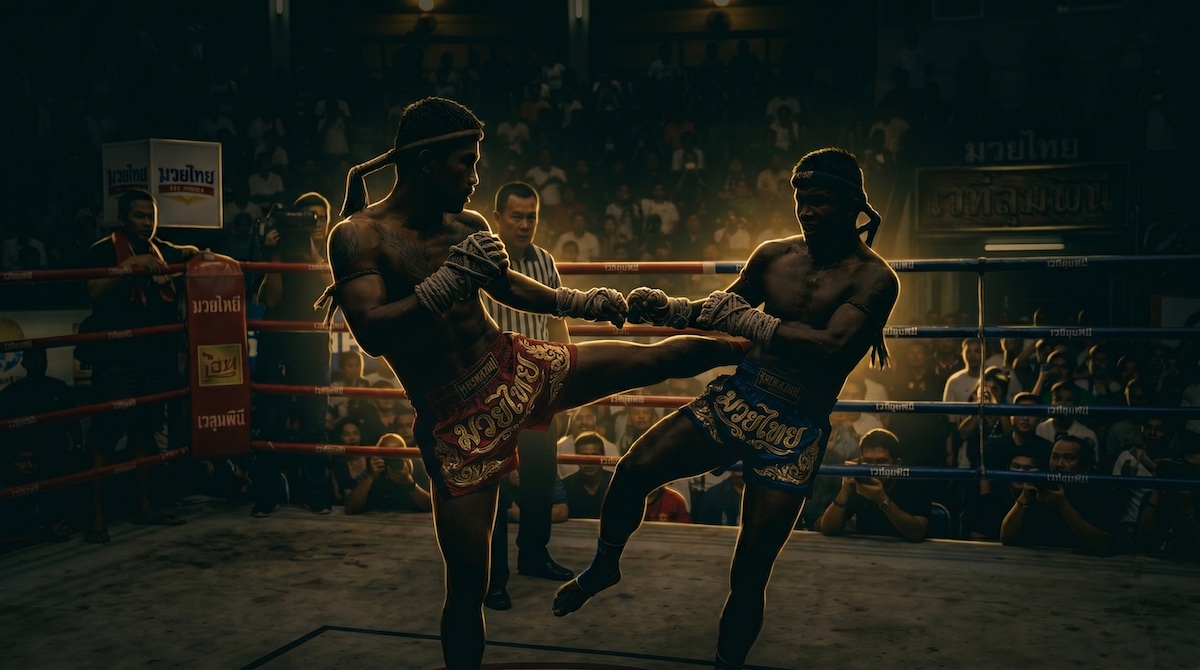
Muay Thai: From a Nation-Saving Fist to a Globally Beloved Billion-Dollar 'Soft Power'
When discussing the most intense, exhilarating, and captivating sports globally, Muay Thai undoubtedly earns a top spot. Yet, few realize the arduous journey this martial art undertook before gaining widespread acceptance among international enthusiasts, who now don hand wraps and boxing shorts worldwide.
From Battlefield to Canvas Ring: Muay Thai's Enduring Legacy In its origins, Muay Thai was not born in air-conditioned stadiums or grand, dazzling arenas. Rather, it was "[the survival skill of Thai ancestors](rootsmuaythai.ca)." During times of war, valiant soldiers honed close-quarters combat techniques for when their weapons were lost. This gave rise to "Muay Boran" (ancient boxing), which diversified regionally: Muay Chaiya (South) was known for fierce precision, Muay Korat (Northeast) for heavy punches, Muay Lopburi (Central) for cleverness, and Muay Thasao (North) for swift and composed movements.
After the era of national defense, Muay Thai did not vanish; instead, it transformed into a popular form of "entertainment" at temple fairs and festivals. Early boxers would engage in "kaad chuek" (wrapping their hands with raw hemp rope dipped in sticky rice paste) fights, which were raw, painful, and authentic. It was only in the modern era, with the introduction of boxing gloves and the establishment of international rules, that Muay Thai officially transitioned to the canvas ring.
Interesting Fact: Did you know that King Sanphet VIII, also known as "Phra Chao Suea" (the Tiger King), of the Ayutthaya period, was so passionate about Muay Thai that he would disguise himself as a commoner to compete against skilled boxers at temple fairs!
Decades of Effort... Towards Global Acceptance Many might assume Muay Thai's global renown was a stroke of luck, but it was, in fact, the culmination of decades of tireless effort by the martial arts community. Initially, foreigners often perceived Muay Thai as a brutal, dangerous, and savage sport.
Undeterred, Thai masters and promoters began taking their boxers abroad to showcase and compete against other martial arts such as Karate, Kickboxing, and Kung Fu. The outcome was clear: Muay Thai's techniques proved superior! The world soon recognized that its blend of punches, elbows, knees, and kicks constituted the most complete martial art, earning it the moniker, "[Art of Eight Limbs](sanabulsports.com)."
Furthermore, several Thai action films, notably Ong-Bak, vividly showcased the beauty and raw power of Muay Thai, captivating international audiences and sparking a widespread desire to "come and learn Muay Thai in Thailand."
Muay Thai Today: From Local Heritage to Global Phenomenon Fast forward to the present, Muay Thai is no longer confined to quiet, traditional boxing camps. It has evolved into a premium lifestyle and has been elevated to "[a symbol of national and international identity](researchgate.net.gov / .edu)." Modern Muay Thai gyms now flourish in major capitals worldwide, from New York, London, and Tokyo to Paris, with Hollywood celebrities embracing it for fitness and weight loss.
Furthermore, its credibility has been significantly enhanced through certification and the establishment of stringent safety standards by global sports organizations like [WBC MuayThai](wbcmuaythai.com), ensuring a transparent and safe international competition system for this martial art.
The most profound source of pride is that Muay Thai transcends mere combat. Today, foreign practitioners respectfully perform the Wai Kru (teacher's homage), gracefully execute the Ram Muay (pre-fight ritual dance), and deeply embrace Thai culture. This represents the ultimate triumph of Thai arts and culture, which, far from fading with time, continues to flourish and sustainably captivate hearts across the globe.